

Every workplace looks different, and so does every worker. Productivity, comfort, and focus aren’t universal experiences. When pens cause strain, tablets slide across desks, or cords clutter a workspace, attention shifts away from the task at hand.
Sometimes access begins with a small tweak. Here are a few Workplace Imagin(AT)ions that use everyday materials to create more supportive, personalized work environments.

#1 Writing & Documentation Supports
For desk jobs, healthcare workers, warehouse logging, retail paperwork, and anyone using tablets or styluses throughout the day, grip and endurance matter. Standard pens and narrow tools can increase strain. Simple build-ups can reduce fatigue and improve control. Some creative options include

Create custom molded pen grips using thermoplastic materials like Instamorph, as demonstrated by Equip2Adapt in their guide to DIY adaptive writing aids.
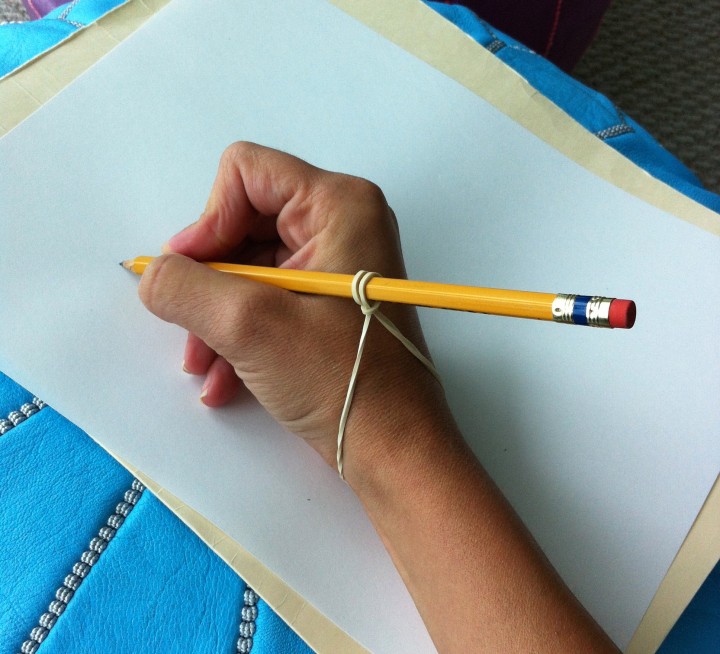
Try a simple rubber band pen grip for temporary support, similar to the approach shared by The OT Butterfly when introducing pencil grips.

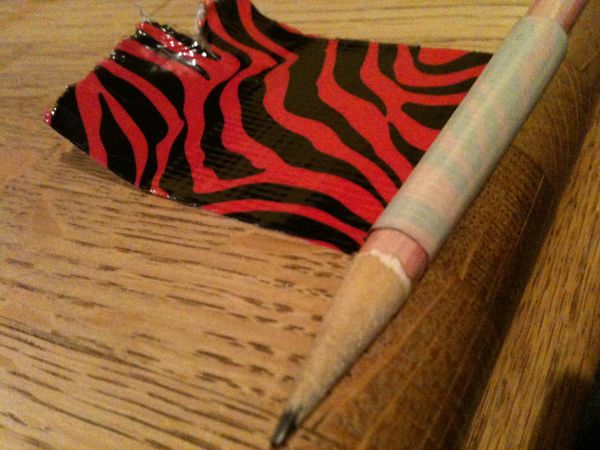
Build up narrow pencils using a makeup sponge, as shown in The DIY Therapist’s foam pencil grip tutorial. You can also try wrapping a pencil in duct tape for quick customization, following this Instructables guide by Jessie Marie.

Add elastic and binder clips to planners or notebooks to create removable pen/stylus holders, inspired by Nifty Mom’s DIY notebook pen holder tutorial.
For a visual roundup of homemade grip ideas, The OT Guide’s video on seven homemade pencil grips offers helpful demonstrations.
These DIY supports increase surface area, reduce the force required to grip, and make writing or scanning more sustainable over time.
#2 Stabilize Tools & Equipment
For administrative desks, reception areas, manufacturing stations, classrooms, medical carts.

Create a simple cardboard tablet stand using this method demonstrated by The Wall Street Journal’s DIY iPad stand video.

Create a flexible tablet stand using gear ties, as outlined in this MakeUseOf tablet stand tutorial.

Repurpose a dollar store container and zip ties to build a DIY cup holder for mobility devices or workstations.
These stabilization tweaks can make a noticeable difference at reception desks, medical carts, retail counters, and warehouse stations.
#3 Workspace Organization & Ergonomic Viewing
Clutter and tangled cords can slow workflow and increase frustration.

Transform a shoebox into a labeled charging station, a popular DIY cable organization solution featured in multiple cord management tutorials.

Clip binder clips to the edge of a desk to anchor charging cables and prevent them from slipping.

Store coiled cables inside toilet paper rolls for labeled, tangle-free organization.
Use adhesive hooks or baskets under desks for cord management, as shown in Lowe’s cable management video guide

Bundle cords into task-specific kits, an idea highlighted in Brilliant Cord Organization tutorials.
Create quick bin labels using packing tape methods, like those demonstrated in easy DIY sticker label hacks.
Add tactile tape symbols to drawers following guidance from the Wisconsin Council of the Blind & Visually Impaired’s tactile labeling resources.

Outline tool placement on peg boards using the silhouette-style organization method shared on Instructables.
These organization strategies support visual clarity, reduce cognitive load, and make shared workspaces more predictable.
#4 Tool Modification for Manual & Trade Work
Workplace tweaks aren’t limited to desk settings.
Wrap tool handles with duct tape for improved grip, as demonstrated in Joe Shows How’s tool grip modification tutorial.

Create custom cuffs, adaptive handles, or drawer pulls using zip ties, inspired by Equip2Adapt’s zip tie DIY AT examples. You can also take a look at this video from Gear Hacks for Setting up a DIY WORKSPACE.
These small adjustments can reduce strain, increase safety, and support independence in physically demanding roles.
Workplace access doesn’t always require new equipment or formal approvals. Often, it begins with noticing what’s creating extra effort and making a small, intentional adjustment. With a little imagination, everyday materials can become practical supports that improve comfort, efficiency, and independence.
Explore these Workplace Imagin(AT)ions in person at the Ability Tools Imagin(AT)ion Station at Abilities Expo on March 26.


